




















Optimize Your Automated Packaging Line for Maximum Savings
 In today’s fast-paced market, operational efficiency and cost-effectiveness are critical to standing out from the competition. Automated packaging lines have become a key solution, especially for businesses managing high production volumes.
In this article, we’ll share five practical strategies to optimize your packaging automation solutions, helping you achieve greater savings, consistent output, and improved operational efficiency.
What Is an Automated Packaging Line
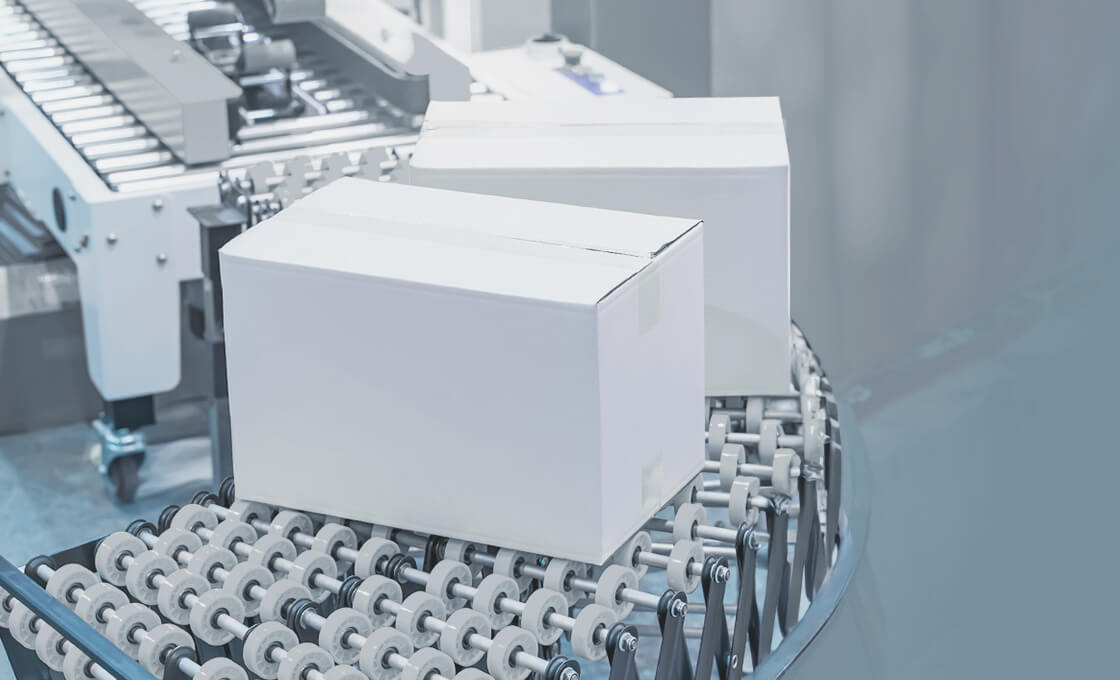
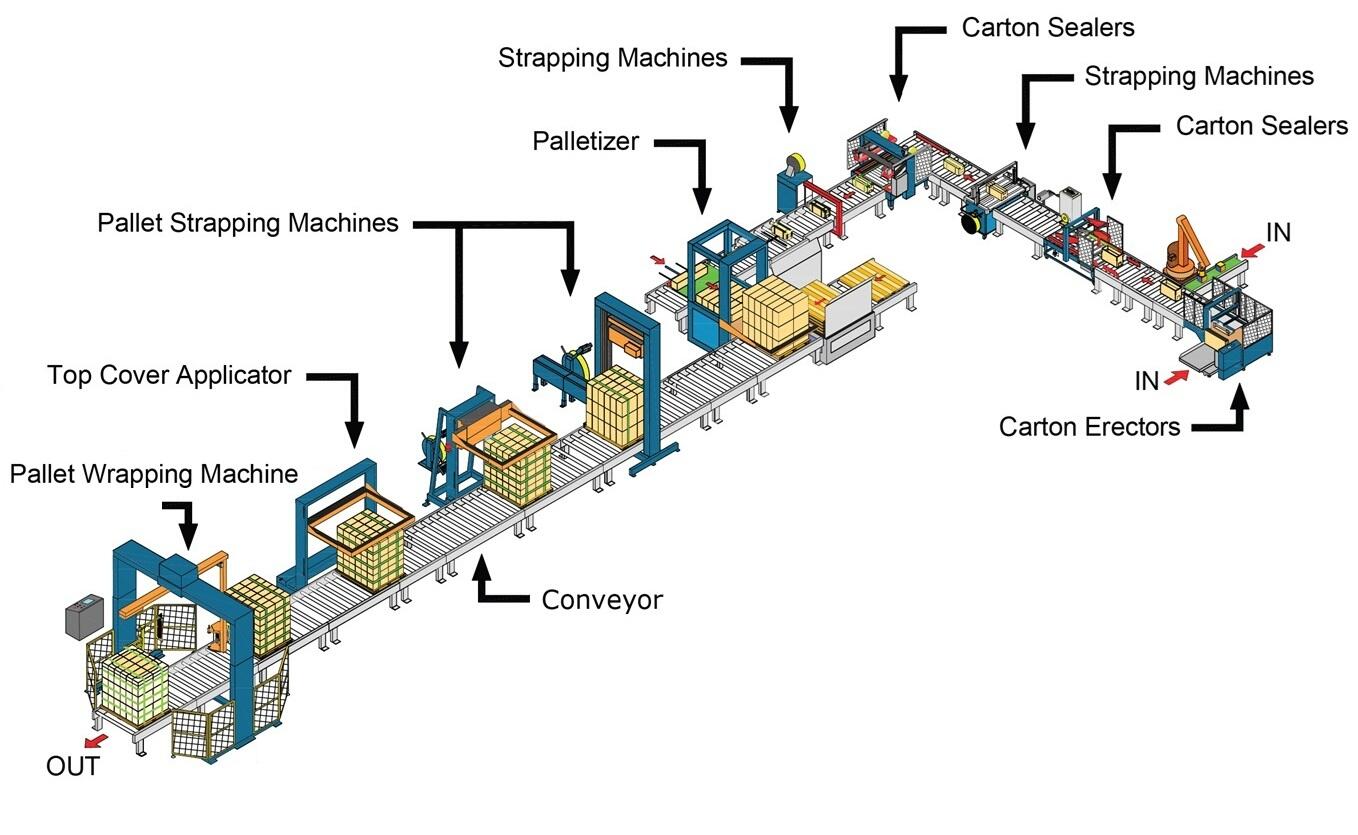
An automated packaging line is an integrated system of machines that completes the entire packaging process with minimal human intervention. From product feeding to palletizing, the operations are carried out automatically under the control of a computer system, ensuring efficiency, accuracy, and consistency.
A completed packaging line usually includes:
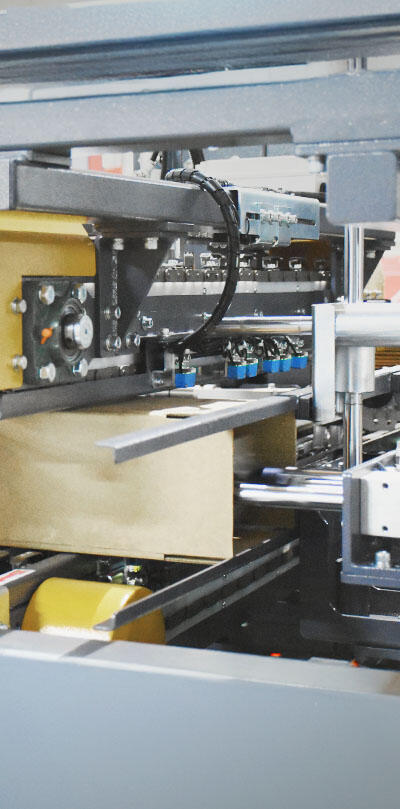
- Case Erector: Converts flat cardboard into cartons ready for filling.
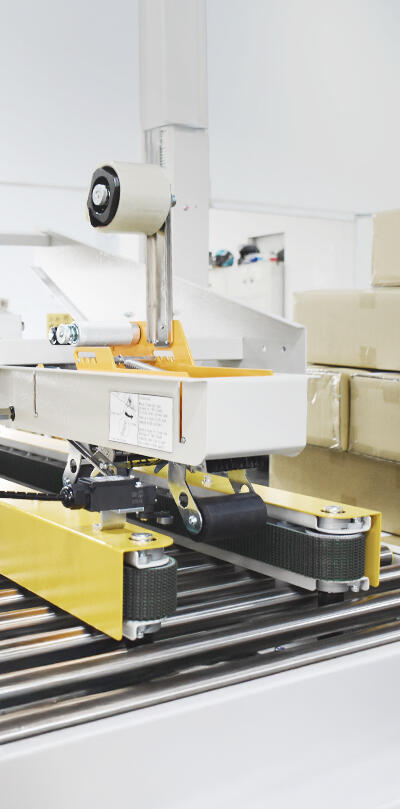
- Case Sealer: Closes and secures cartons with tape or adhesive.
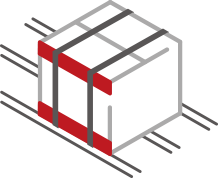
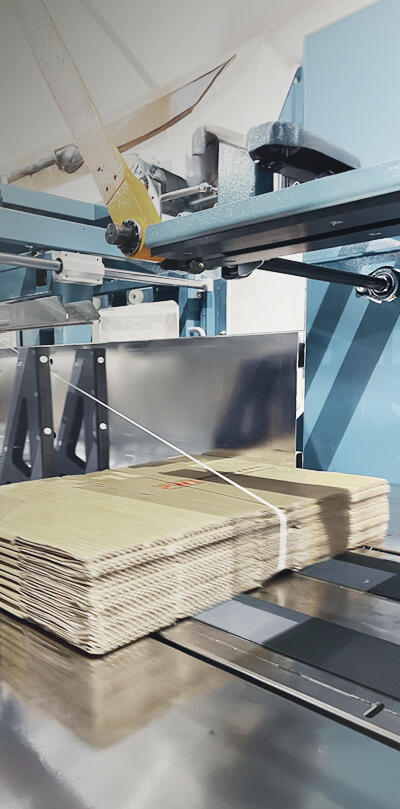
- Strapping Machine: Bundles cartons or pallets with straps to keep them stable.
- Palletizing Machine: Stacks the carton boxes / bundles onto pallets.
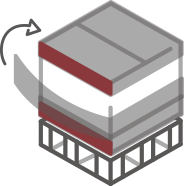
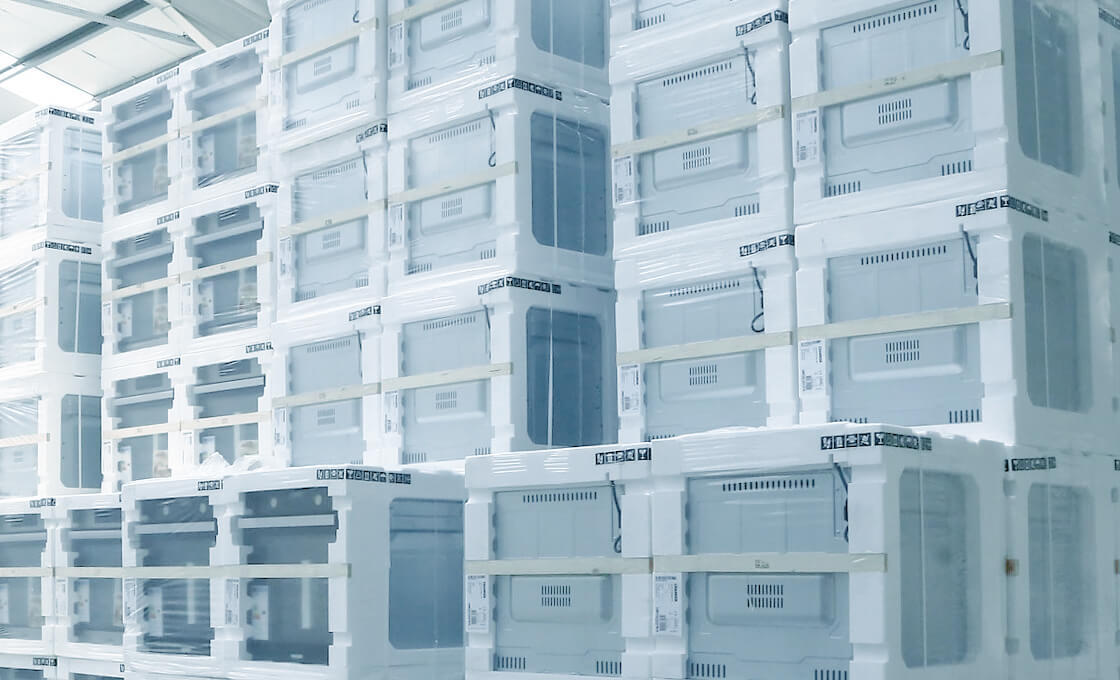
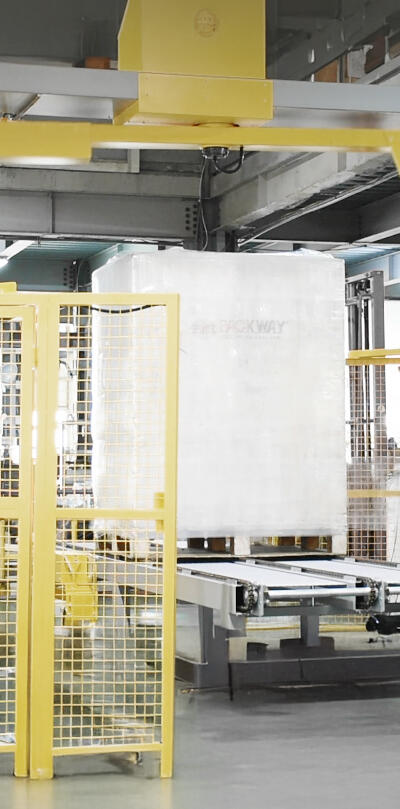
- Wrapping Machine: Covers palletized items with stretch film for transport protection.
Why Upgrading to Automated Packaging Lines Matters
By integrating automated machines with smart management systems, businesses can elevate their packaging process to a new level. The result is higher efficiency, reduced labor costs and material waste, consistent output quality, and improved workplace safety. Additionally, automated machines provide the flexibility to handle various product sizes and formats with minimal adjustments.
Automated packaging lines are widely adopted across industries such as:
- Food & Beverage: Large-scale production relies on automated packaging to ensure both speed and consistent quality.
- E-commerce & Logistics: Automated systems flexibly handle diverse products and fluctuating volumes with accuracy.
- Pharmaceutical & Medical: Strict regulations require automation to deliver standardized quality, accurate labeling, and full traceability.
5 Practices to Optimize Your Automated Packaging Line
Upgrading an automated packaging line is more than just adding new machines; it requires a focused approach. By following these five steps, you can maximize efficiency, reduce costs, and ensure your investment delivers long-term returns.Stepwise Upgrade to Automated Machines
Gradually introduce automated equipment instead of attempting a full overhaul at once. Start by identifying bottlenecks in your current process and prioritizing upgrading areas with the highest ROI. Implement machines such as case erectors, case sealers, strapping machines, and wrapping machines incrementally.
*Benefit: This approach improves production speed, reduces labor dependence, and minimizes operational errors, yielding higher efficiency and lower operational costs over time.
Optimize Consumable Usage
Control material usage by implementing automated strapping and wrapping machines that adjust strap tension and film coverage according to product weight and type. Standardize packaging materials, including boxes, straps, and film, to simplify inventory management, reduce procurement complexity, and maintain consistent application across the production line.
*Benefit: Material waste is reduced, procurement is streamlined, and overall packaging costs decrease without compromising quality.
Implement Smart Data Integration
Connect your packaging machines to management systems, such as WMS and ERP, to enable real-time monitoring and coordinated workflow. For example, configure case sealers to automatically detect box sizes, adjust sealing parameters, and communicate with upstream packaging units. Use data integration to schedule machine operation, automate quality checks, and ensure traceability without relying on manual intervention.
*Benefit: Errors and rework are minimized, material consumption is optimized, and consistent quality is maintained across production batches.
Standardize Safety Procedures
Establish automated safety protocols to minimize manual handling and prevent workplace hazards. Implement sensors, alarms, and automatic shutdown mechanisms in critical machines. Standardize operating procedures for pallet handling, strapping, and wrapping processes to maintain consistent safety practices across shifts.
*Benefit: Workplace injuries are reduced, operational disruptions are minimized, and stable output ensures smoother production and lower indirect costs.
Configure Flexible Modular Systems
Select modular and adaptable equipment that can handle multiple product sizes, packaging formats, and order types. Ensure systems allow easy reconfiguration for new production needs or future upgrades. Modular setups make it simpler to expand capabilities, adjust workflows, and accommodate changing business demands without major operational disruptions.
*Benefit: Production can quickly respond to changing order volumes and formats, reducing temporary labor needs and long-term capital expenditures while maintaining operational continuity.
Transitioning to automation is not an overnight change but a step-by-step journey. Start by fixing production bottlenecks with high-ROI upgrades, then expand with additional machines and smart integrations. Real-time data plays a crucial role, enabling continuous process improvements, better consumable management, and stronger long-term ROI. Finally, proper operator training ensures the system runs smoothly and delivers consistent results.
FAQ About Automated Packaging Lines
Q1: Can an automated packaging line be customized for specific industries?
Automated packaging lines can be customized to meet the specific needs of industries such as pharmaceuticals, electronics, and consumer products. Manufacturers can adjust conveyor speed, packaging size, and system integration to ensure seamless operation, supporting both high-volume production and OEM compatibility.
Realize Maximum Cost-Efficiency with an Automated Packaging Line
While investing in an automated packaging line requires an initial cost, it can deliver transformative long-term benefits by significantly improving efficiency, ensuring consistent output, and reducing operational expenses such as labor and material waste, which can set your business apart from competitors.
By applying the five practical strategies discussed above, you can gradually enhance your operations while fully leveraging the advantages of packaging automation. Equally important is partnering with a professional provider who offers tailored solutions and reliable support, making the upgrade process smooth and effective.
PACKWAY offers a complete range of automated solutions, including case erectors, case sealers, strapping machines, and wrapping machines, as well as customized automation solutions tailored to your specific needs. Our experts provide guidance for equipment selection, installation, and ongoing after-sales support to help you achieve long-term success.
Contact us today to elevate your operations and secure sustainable business growth.