














How to Choose the Right Case Erector for Your Packaging Needs

Case erectors, also known as carton erectors, have become increasingly essential in the packaging industry. To fully benefit from these machines, it is essential to select the right model for your specific requirements.
In this article, we’ll share practical tips to help you choose the most suitable case erector with ease.
Why Choosing the Right Case Erector Matters
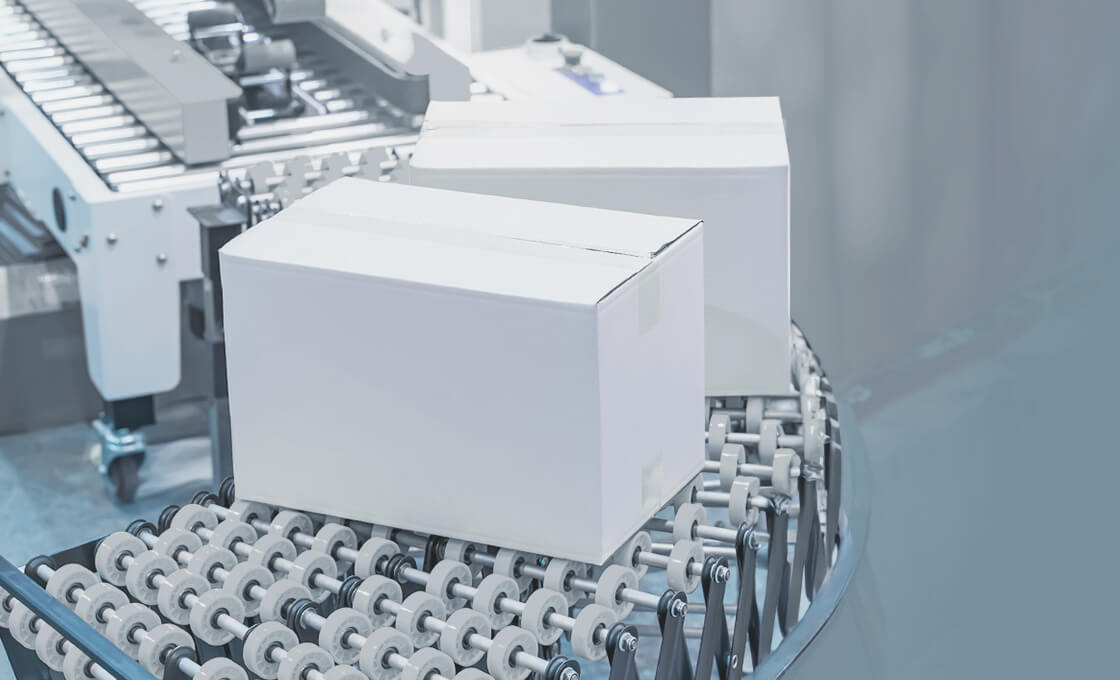
The right case erector does more than simply fold cartons; it has the potential to transform your entire packaging line. It helps packaging lines run faster, ensures consistent quality, and reduces reliance on manual labor. For companies under pressure from labor shortages, rising labor costs, or increasing production demands, the right choice can turn packaging into a long-term competitive advantage.
6 Practical Steps to Selecting the Right Case Erector
Follow these six steps to gradually narrow down your options and select the best case erector for your business.
Step 1: What Are Your Production Needs?
The first step is to define your production needs based on current business scale and future growth plans.
Speed and Output Rate
Case erectors vary widely in speed, from 10–15 boxes per minute for entry-level models to around 25 boxes per minute for high-speed machines. Consider your required output and ensure the machine integrates smoothly with downstream processes to prevent bottlenecks.
Level of Automation
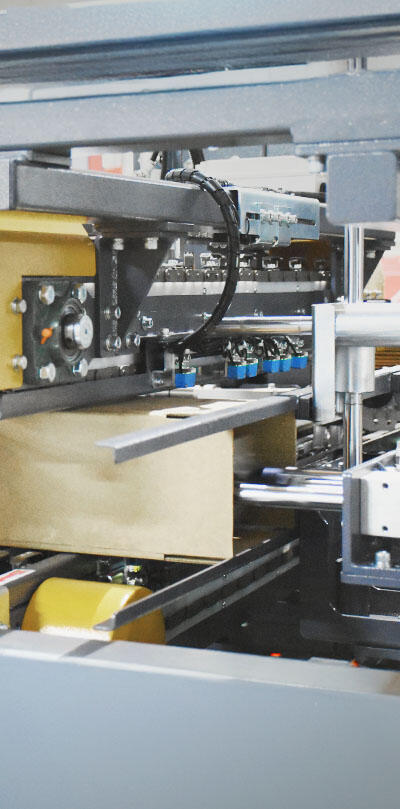
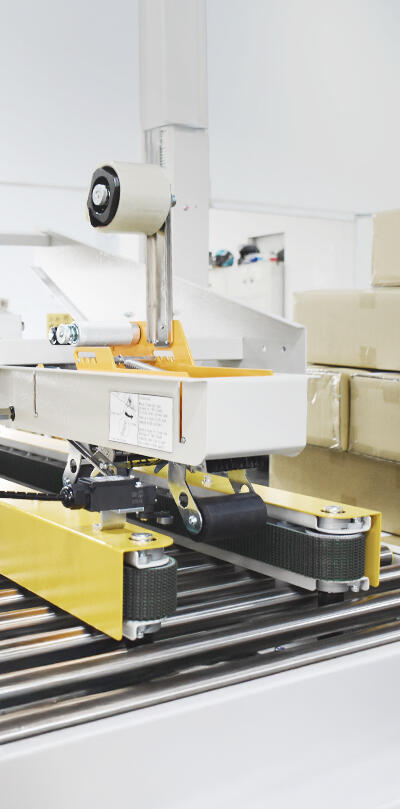
Semi-automatic machines require operators to manually position cartons, while the machine handles forming and sealing. They are suitable for smaller businesses or lower-volume production. Fully automatic machines manage the entire process, including picking, forming, folding, sealing, and conveying, requiring minimal labor and are ideal for high-volume operations.
Step 2: What Types of Cartons Do You Use?
Next, identify the specifications of the cartons you use, including sizes, materials, and whether multiple formats need to be accommodated.
Carton Sizes
Most case erectors are designed for small to medium regular slotted cartons (RSC), which are widely used in industries such as food, consumer goods, and logistics. If you require non-standard or very large cartons, consult with equipment specialists. For businesses that frequently switch carton sizes, machines with automatic size adjustment features provide greater flexibility.
Carton Materials
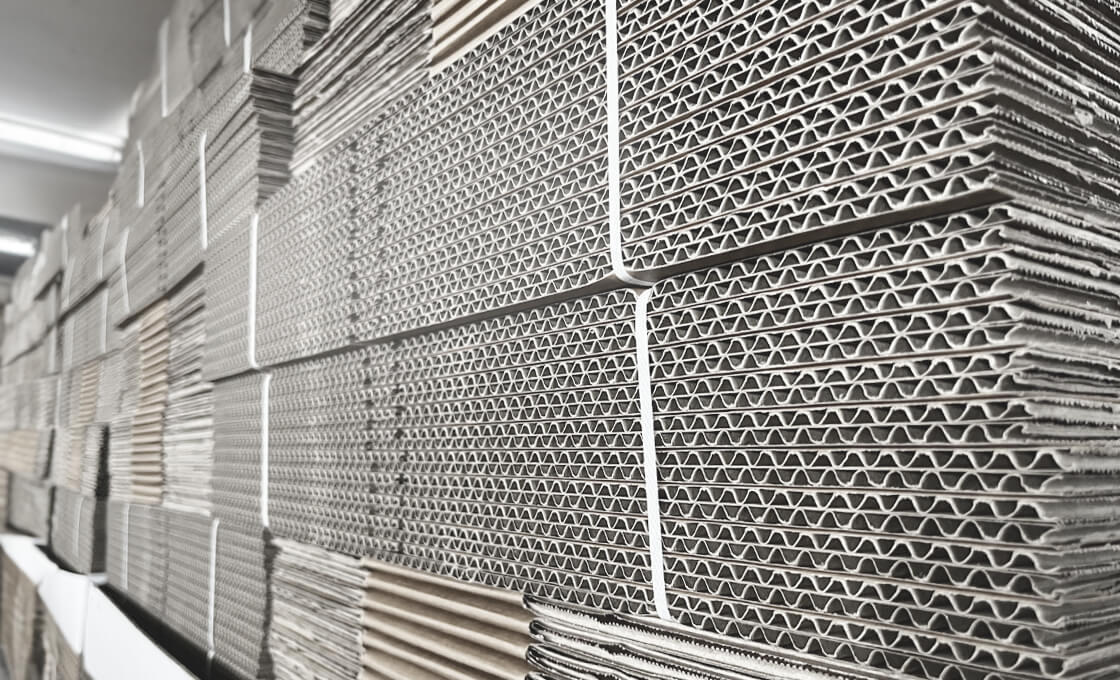
Most cartons are made of single-wall corrugated board. Heavier products, such as beverages, appliances, or hardware, often require double-wall cartons. Carton thickness and weight influence the suction force and stability required for reliable forming. For heavy or large cartons, consider a horizontal case erector, which provides greater stability and reduces the risk of deformation. Machines with adjustable suction are recommended if carton materials vary.
Step 3: Will the Machine Fit Your Installation Space?
Once production requirements are clear, check whether the equipment fits your facility layout.
Machine Dimensions
It is not enough to ensure the machine fits into the available space; you must also allow sufficient room for installation, operation, and maintenance. Insufficient space may require line modifications, additional platforms, or customized compact machines, all of which can increase overall investment.
Discharge Direction
The discharge direction of the case erector, whether left, right, straight, or curved, must match the layout of your production line. Proper alignment ensures cartons move smoothly into downstream equipment such as conveyors and sealers.
Step 4: Can the Machine Integrate With Your Packaging Line?
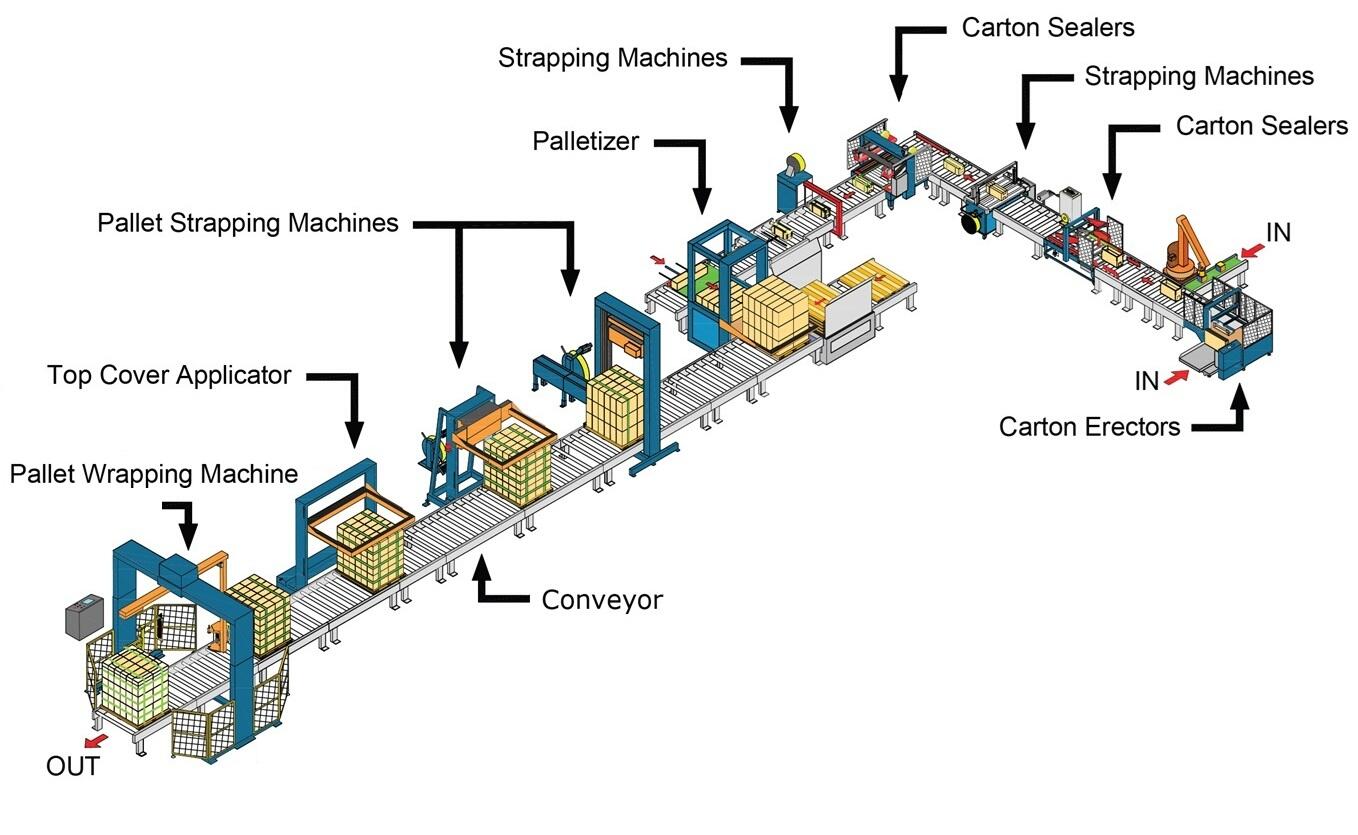
Upgrading your packaging process involves more than adding a single machine. The true value comes from ensuring all systems work together effectively.
Integration with Other Machines
Proper integration is critical to prevent production issues. Without it, speed mismatches or timing errors can create bottlenecks or damage cartons. For example, if a case erector runs faster than the downstream conveyor, cartons may pile up or jam. Conversely, if the conveyor is faster than the erector, the line may stall. Ensuring seamless connection with other equipment, such as sealers, conveyors, labelers, and coders, keeps the packaging line efficient and reliable.
MES/PLC Compatibility
For businesses moving toward smart manufacturing, it is important that the machine supports standard I/O interfaces and communication protocols such as Modbus, EtherNet/IP, or Profinet. This allows integration with Manufacturing Execution Systems (MES) or Programmable Logic Controllers (PLC), enabling real-time monitoring, data collection, and process optimization.
Step 5: What Is Your Budget and ROI Goal?
When investing in a case erector, evaluate the decision with long-term performance in mind. Although the initial purchase and ongoing maintenance represent costs, these are offset by savings from reduced labor and gains from higher productivity. Assess ROI against your business goals and available capital to ensure a worthwhile investment.
Step 6: Is the Brand and Machine Reliable?
The brand and manufacturer affect long-term performance and safety. Reliable after-sales support helps maintain stable operation and protects your investment.
Safety Features
To safeguard operators, case erectors should be equipped with protective guards, emergency stops, and compliance with recognized safety standards such as CE and ISO.
Durability and Support
Check that the components are built for durability and that the manufacturer provides dependable maintenance services. A robust and well-supported machine will deliver a longer lifespan, making it a more valuable investment over time.
Essential Considerations for Case Erector Integration
When integrating a case erector into an automated packaging line, several key factors must be addressed to achieve maximum efficiency.
- Speed Alignment: Sync the case erector with upstream and downstream machines to prevent bottlenecks.
- Size Compatibility: Ensure carton sizes match all connected equipment.
- Control System Integration: Use machines that support PLC or other communication protocols for seamless automation.
- Layout Planning: Allocate sufficient space for loading, unloading, and operator access.
- Energy and Efficiency: Utilize smart start/stop, energy-efficient drives, and monitoring systems.
- Operation and Maintenance: Train operators for smooth operation and quick troubleshooting.
Achieve Long-Term Efficiency With the Perfect Case Erector
Facing labor shortages, rising costs, and growing production demands, the right case erector can be a game-changer for your business. Once you’ve assessed your production needs, installation space, and budget, the final step is choosing a reliable partner to support long-term success.
PACKWAY offers a complete range of solutions, from semi-automatic to fully automatic models, with various sealing types and capacities to meet your requirements. Beyond providing high-quality equipment, our team supports you throughout selection, installation, and after-sales service, helping you optimize your packaging line and protect your investment.
Contact us today to discuss your needs and discover how the right case erector can transform your packaging line for lasting success.