


















Case Erector Guide: What It Is and Its Benefits

The way a product is packaged often determines the first impression customers have of a brand. To keep up with today’s fast-paced operations, many businesses turn to case erectors, machines designed to form cartons and boost efficiency automatically. Beyond saving time, they also ensure a neat, professional packaging outcome.
In this guide, we’ll walk you through everything you need to know about case erectors: their advantages, how they’re built, the different types available, how they work, where they’re used, and how to keep them in good condition.
What is a Case Erector?
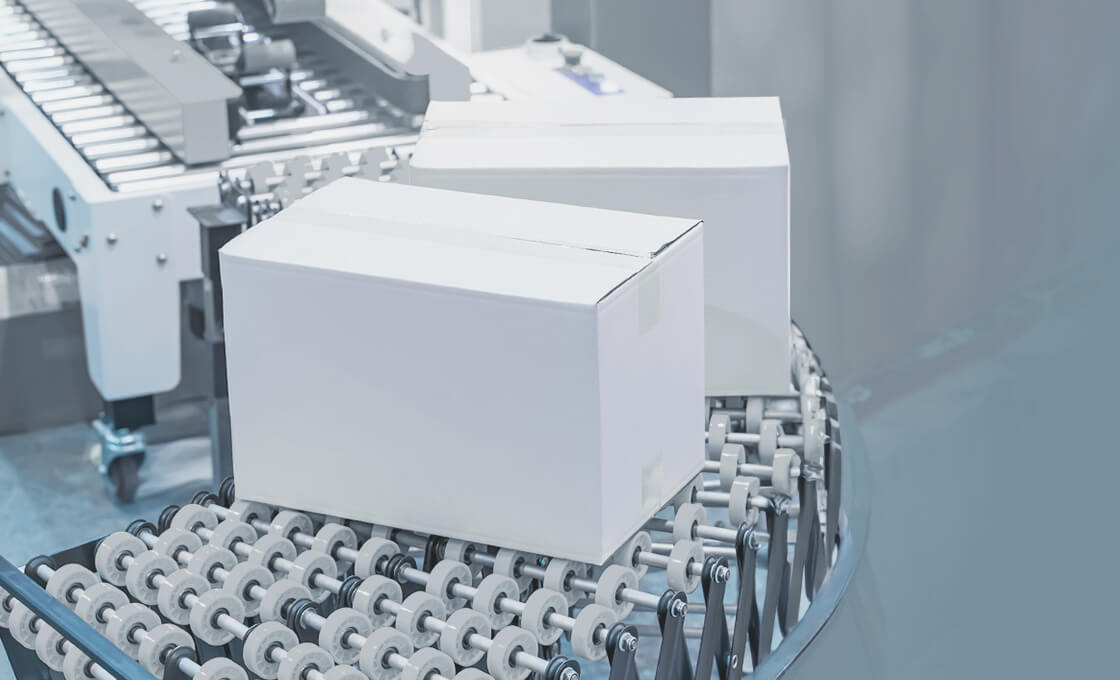
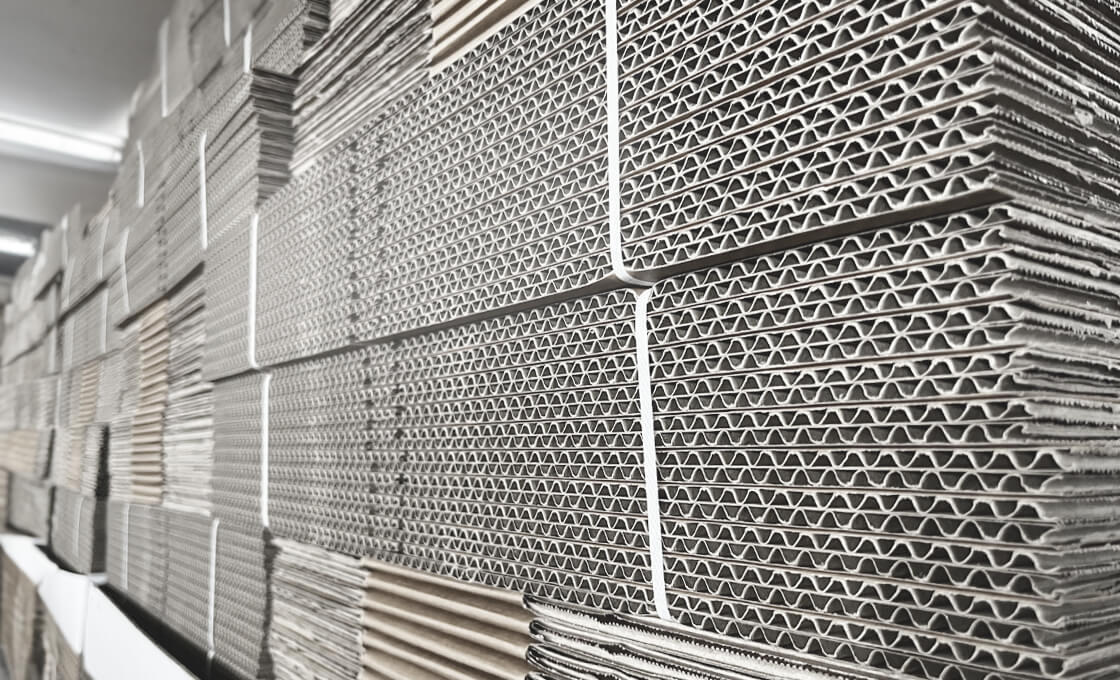
A case erector, also known as a carton erector, is a machine designed to automatically convert flat cardboard into perfectly formed cartons, ready for product loading or filling. By automating this process, case erectors streamline production lines, improve efficiency, reduce labor costs, and ensure consistent packaging quality. They also offer flexibility to accommodate different carton sizes and designs.
Main Components of a Case Erector
A case erector is typically composed of the following key components:
- Carton Magazine: Stores flat cardboard sheets before they are processed.
- Vacuum Picker: Picks up individual sheets from the magazine and delivers them to the forming unit.
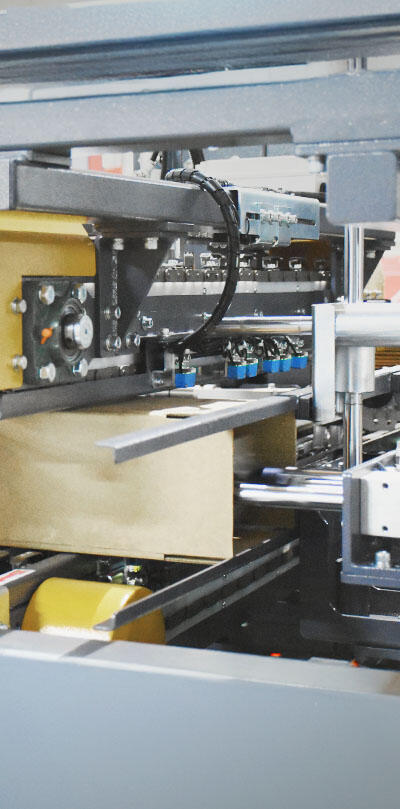
- Carton Forming Unit: Uses mechanical arms or push plates along with guiding mechanisms to open the flat cardboard and position it.
- Bottom Folding Unit: Ensures the bottom flaps are folded correctly according to the designed sequence and angles for stable cartons.
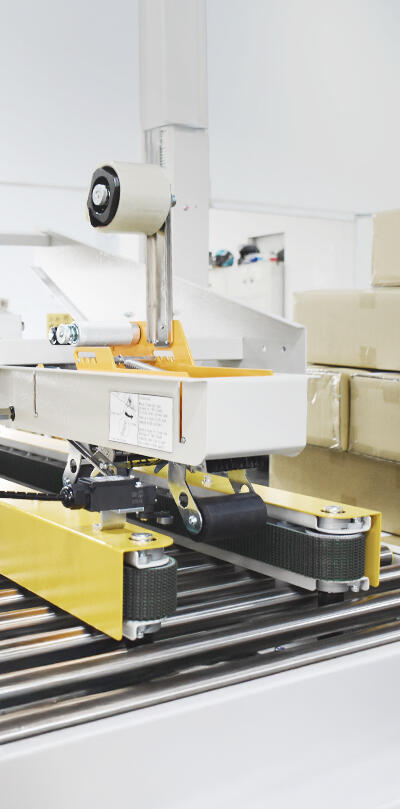
- Bottom Sealing Unit: Seals the carton bottom using OPP tape (Oriented Polypropylene Tape), hot-melt glue, or staples.
- Outfeed Conveyor: Transfers the formed cartons to the next stage of the production line, often equipped with sensors to detect proper carton formation.
- PLC + HMI Control System: The “brain” of the machine, managing operational parameters such as carton size, speed, and error detection.
How Does a Case Erector Work?
The operation of a case erector can be summarized in five main steps, showing how the components work together seamlessly.
- Carton Feeding: Cardboard sheets are loaded into the magazine. A vacuum picker selects individual sheets and delivers them to the forming unit.
- Carton Erecting: The forming unit, often assisted by mechanical arms or push plates, opens the flat sheet into a carton shape and positions it accurately for bottom folding.
- Bottom Folding: The bottom folding unit folds the flaps in a specific order, which can be adjusted for different carton sizes and machine types.
- Bottom Sealing: The bottom sealing unit seals the carton’s base using tape, glue, or staples, ensuring stability for the filling process.
- Carton Outfeed: The erected cartons are moved via the outfeed conveyor to the next stage, whether an automatic packing machine or a manual packer.
Types of Case Erectors
Case erectors can generally be categorized in two ways:
By Automation Level
Semi-automatic Case Erectors
These require manual positioning of the cartons, while the machine handles forming and sealing. With lower investment costs, they are ideal for smaller businesses or lower-volume production.
Fully Automatic Case Erectors
These operate through the entire process automatically, including picking, forming, folding, sealing, and conveying, requiring minimal labor. Fully automatic erectors are well-suited for high-volume operations, logistics centers, or warehouses, and typically require less specialized operator training.
By Box Orientation
Vertical Case Erector
In a vertical case erector, cartons are formed in an upright position, with the opening facing upward. Products are typically loaded from the top, either manually or automatically. This configuration is space-efficient and works well for lighter items, but it may be less stable for heavy or large products.
Horizontal Case Erector
In a horizontal case erector, cartons are formed lying on their side, with the long edge in contact with the conveyor. This position provides better stability for heavier items and is often used for side-loading or top-loading applications, depending on the machine design. Horizontal erectors usually occupy more floor space and have higher initial costs compared to vertical models.
Common Applications of Case Erectors
Case erectors are widely used across various industries due to their high efficiency and precision. Here are some common applications where they excel:
Food & Beverage
In the fast-moving food and beverage industry, packaging plays a crucial role in maintaining production efficiency. Case erectors provide consistent and reliable results, protecting products while reinforcing a positive brand image. By reducing manual labor, they also minimize hygiene risks.
Electronics
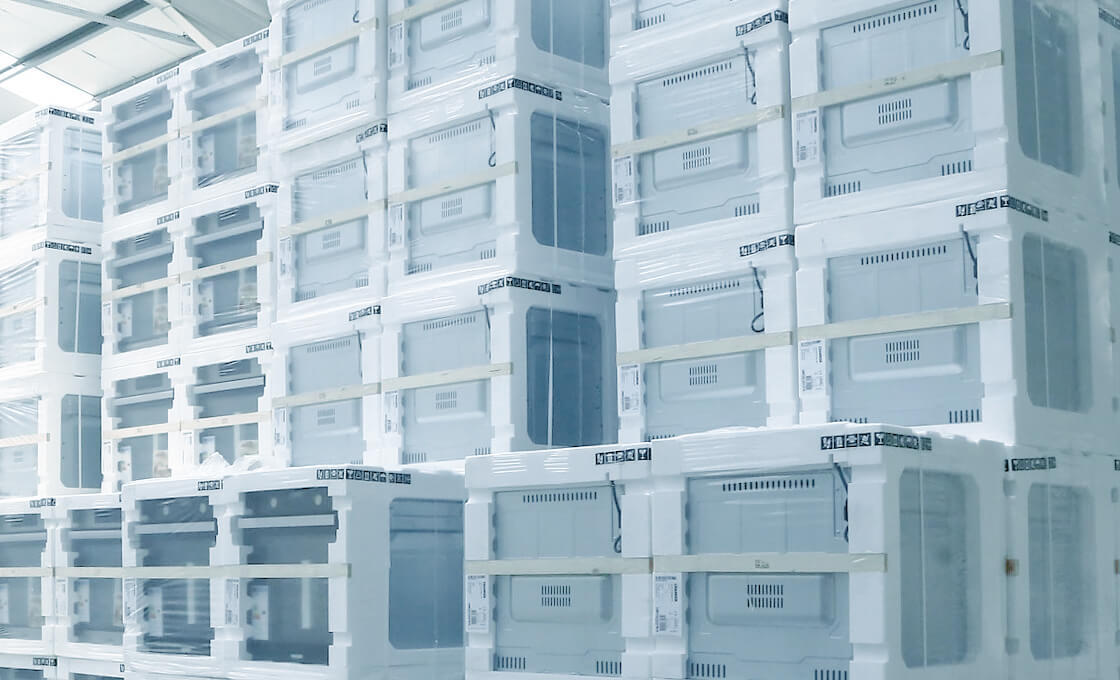
Electronics are often fragile and high-value items that require careful handling to prevent damage. Case erectors ensure precise and consistent carton formation, supporting safe and reliable packaging.
Pharmaceutical & Medical
In the pharmaceutical and medical sectors, packaging must comply with GMP or FDA regulations. Reducing manual handling not only lowers contamination risks but also facilitates integration with tracking systems for batch management.
E-commerce & Logistics
With high daily order volumes, efficient carton erection can significantly impact profitability. Automation reduces labor costs and allows quick adjustment for different carton sizes and types, offering the flexibility needed in dynamic logistics and e-commerce environments. They also support integration with automatic labeling and tracking systems, which is critical for order accuracy.
How to Maintain a Case Erector?
Regular maintenance keeps your case erector running smoothly and reduces downtime.
- Daily: Clean dust and debris, check suction cups and sensors, ensure stable air pressure, and verify tape or glue operation.
- Weekly: Lubricate moving parts, check screws and the control box, and ensure sealing unit stability.
- Monthly: Test PLC/HMI, replace worn parts, verify alignment and accuracy, and inspect safety devices.
FAQ About Case Erectors
Q1: What is the maintenance cost of a case erector?
Maintenance costs depend on machine type and consumables. Semi-automatic models mainly require cleaning, lubrication, and occasional suction cup or blade replacement. Fully automatic systems also include sensors, servo motors, and pneumatic parts. Consumables can account for up to 50% of the total maintenance cost, with tape being one of the main consumables. Using high-quality tape helps reduce waste and improve sealing efficiency.
Q2: How to prevent common failures?
Common issues include carton jams, misalignment, tape sealing failures, and sensor errors. These can be minimized by using proper cartons, replacing worn suction cups, cleaning the sealing head daily, inspecting or replacing blades every six months, and maintaining sensors monthly. Routine maintenance and IoT monitoring can cut unplanned downtime by up to 50% and extend the machine’s lifespan to 5–10 years.
Q3: What types of cartons can a case erector handle?
Most case erectors accommodate a range of carton sizes and materials, including standard corrugated boxes. However, extremely small, very large, or irregularly shaped cartons may require special adjustment or a customized solution.
Elevate Your Business with High Efficiency
Upgrading to a case erector isn’t just buying a machine; it’s about boosting efficiency, accuracy, and consistency across your production line.
PWI PACKWAY is a global leader in automatic packaging systems, offering a comprehensive range of solutions, from semi-automatic to fully automatic models, with various sealing types and capacities to meet your specific needs. Alongside innovative products, we are also renowned for exceptional customer service and a strong understanding of our clients’ requirements.
Contact us today to optimize your production line and boost operational efficiency.